Cape Coral Seawall Repair Services
Cape Coral, Florida, contains more than 400 miles of navigable canals (more than any other city in the world) and sits at an average elevation of just five feet above sea level. That makes for an unparalleled waterfront lifestyle (and greatly elevated flood risk) for Cape Coral property owners.
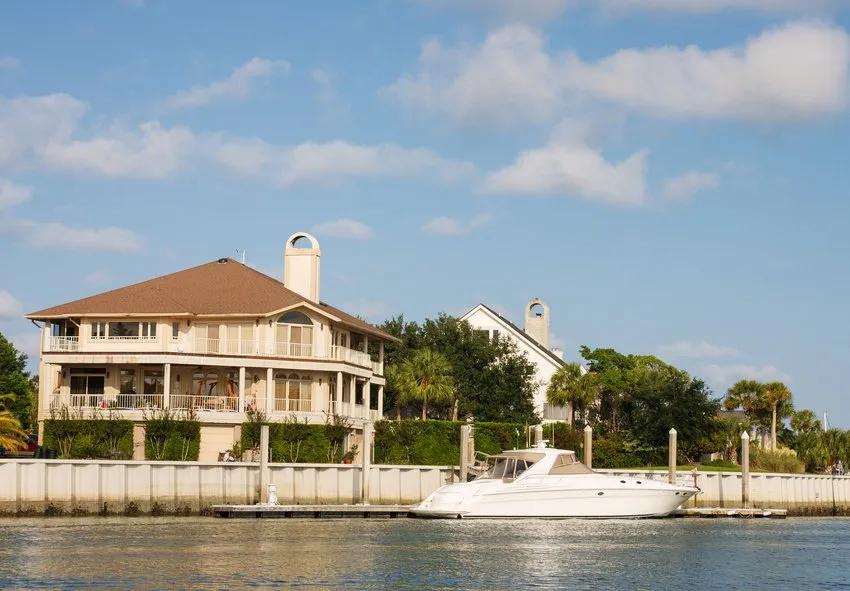
According to First Street Foundation, roughly 86% of Cape Coral properties face a substantial flood risk. That risk became especially clear after Hurricane Ian in 2022, which triggered widespread seawall failures, soil loss, and structural undermining along canal-front properties. In the years since, demand for reliable seawall repair in Cape Coral has surged, with a search for solutions that can hold up to future hurricanes and soil erosion.
Florida Seawall Solutions (FSS) is a licensed marine contractor specializing in seawall repair and seawall installation in Cape Coral and across Southwest Florida, including the nearby waterfront communities of North Fort Myers, Pine Island, Matlacha, and St. James City. In a region defined by water, our reliable seawall repair services are a critical line of defense and offer targeted solutions for erosion, panel failure, and tidal damage caused by canal flooding.
Why Cape Coral Seawalls Fail Faster Than Most
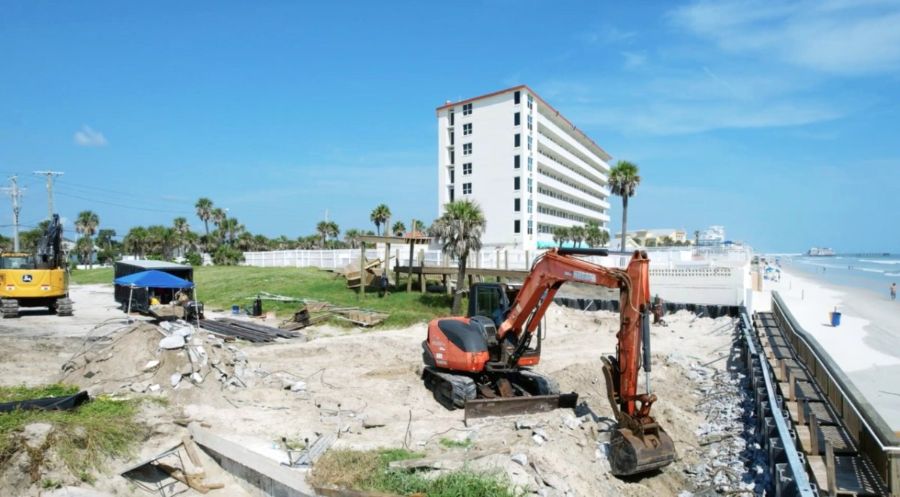
Cape Coral’s seawall issues are a product of the city’s rapid development and the unique conditions of its canal system as much as they are a result of age.
Many of the Cape’s seawalls were constructed during the 1960s to 1980s development boom, when large portions of the city’s waterfront infrastructure were installed quickly to keep pace with explosive residential growth. In that process, contractors often used dredged canal material (commonly referred to as “sludge backfill”) behind seawall panels. This fill frequently contained organic debris such as tree branches, roots, vegetation, and soft sediments rather than clean, compacted structural fill.
Over time, that organic material naturally decomposes, leaving voids behind the seawall. As those voids expand, the surrounding soil begins to migrate, gradually weakening the support behind the wall. This internal loss of material is compounded by constant hydrostatic pressure from canal water, tidal cycling, and saltwater exposure that accelerates corrosion of tiebacks, panels, and concrete seawall caps. When combined, these forces create a cascading failure mechanism that many older systems were never designed to withstand.
The result is that seawalls in Cape Coral often reach end-of-life conditions significantly faster than comparable systems in other coastal markets, making proactive inspection and seawall erosion repair essential for long-term shoreline stability.
Common Seawall Problems in Cape Coral
Cape Coral’s seawall issues are driven by aging infrastructure, soil conditions, and repeated storm exposure. Many of these problems develop gradually and become visible only after significant structural weakening has occurred.
- Seawall sinkholes and pits behind the wall: Voids form as backfill soil washes out or decomposes, creating depressions behind the seawall. Homeowners often temporarily fill these areas with gravel or rock, but this only masks underlying soil loss.
- Cracking and spalling in concrete caps: Continuous exposure to saltwater and shifting loads leads to cracking, flaking, and surface deterioration of concrete seawall caps.
- Leaning walls from hydrostatic pressure: Excess water buildup behind the wall increases lateral pressure, causing panels to bulge outward or lean toward the canal.
- Tieback and deadman failure: Corrosion or loss of tension in anchor systems reduces structural support, allowing the wall to shift or rotate.
- Erosion at the toe of the wall: Scouring at the base of the seawall, often visible during low tide, undermines foundational stability and accelerates settlement.
- Settlement of patios, decks, and pavers near the wall: As soil migrates or collapses behind the seawall, adjacent hardscapes begin to sink or crack.
- Hurricane Ian damage and storm surges: Extreme water levels and wave action from Hurricane Ian exposed vulnerabilities, accelerated existing failures, and triggered new structural damage.
Hurricane Ian and Cape Coral Seawalls
Hurricane Ian had a direct and severe impact across the Cape Coral canal system, bringing with it an extreme storm surge, wave action, and rapid water level changes. Many seawalls that were already weakened by age, soil loss, and corrosion were pushed past their limits, resulting in widespread structural damage throughout the Cape’s waterfront neighborhoods.
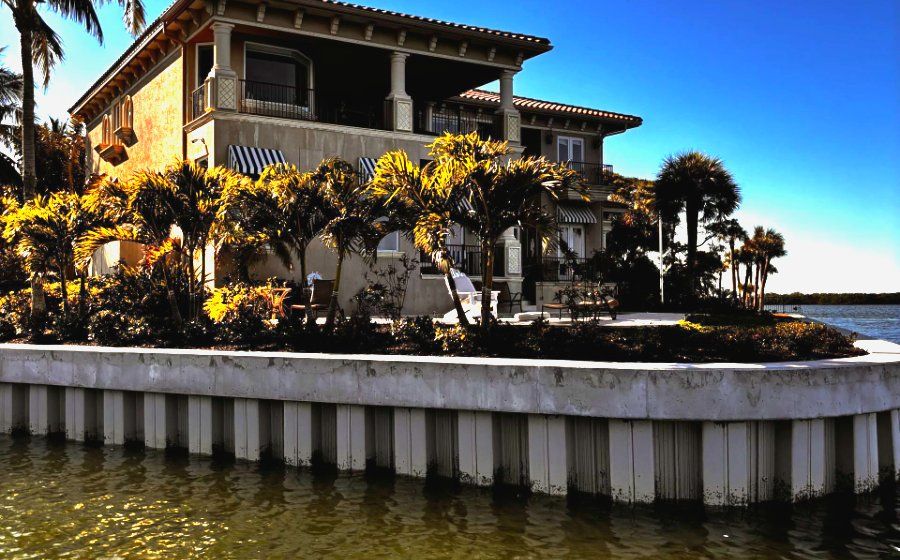
In the aftermath of the storm, several consistent failure patterns were identified, including cracked or displaced concrete caps, shifted or failing tie back systems, earth anchors, and deadmen, soil washout behind seawalls, and, in more severe cases, leaning panels or full wall separation. And even seawalls that initially appeared stable often showed hidden movement or voids once inspected more closely.
When damage is not addressed within the first post-storm season, minor issues often progress into full structural failure, significantly increasing repair complexity and cost. We saw these challenges after Ian, and again after Hurricane Milton and Hurricane Helene in 2024, and proudly offer free post-storm seawall evaluations to help Florida property owners identify storm damage early and determine appropriate next steps.
Our Cape Coral Seawall Repair Process
As a trusted seawall contractor in Cape Coral, we follow a clear, step-by-step process that local property owners can rely on for accurate diagnostics and long-term shoreline stability.
Step 1: Free Cape Coral seawall inspection
We begin with a no-cost storm evaluation to assess visible conditions, shoreline movement, and early warning signs of failure.
Step 2: Structural diagnosis
We identify root causes of seawall failure, such as organic sludge backfill voids, helical tieback failure, hydrostatic pressure, erosion, or Hurricane Ian damage.
Step 3: Repair vs. replacement recommendation
We evaluate structural integrity and provide clear guidance on whether targeted seawall repair is appropriate or if a full replacement is needed. We also consider applicable seawall regulations and permit requirements so property owners understand how project scope may affect the recommended solution.
Step 4: Targeted repair execution
Our seawall repair services in Cape Coral include seawall soil stabilization, polyurethane injection, void filling, concrete patching, tieback reinforcement, and seam sealing.
Step 5: Final inspection and cleanup
We verify stabilization, confirm completed repairs, and leave the site clean and secure for long-term performance.
Cape Coral and Surrounding Areas We Serve
FSS provides seawall repair services across Cape Coral and adjacent Lee County waterfront communities, including Fort Myers. We work throughout the region’s canal systems, barrier islands, and coastal neighborhoods where seawall stress, erosion, and storm damage are most common.
- Cape Coral (all districts: SW, SE, NW, NE)
- Pine Island
- Matlacha
- St. James City
- North Fort Myers
- Bokeelia
- Cape Harbour
- Tarpon Point
- Burnt Store
When to Repair vs. Replace a Cape Coral Seawall
Homeowners in Cape Coral often need to decide whether a seawall can be repaired or if full seawall replacement is necessary. The right choice depends on the type and extent of structural damage, as well as the overall project scope.
Repair may be appropriate when:
- Sludge-backfill voids can be stabilized with polyurethane injection or soil filling
- Damage is limited to surface cracking or concrete spalling
- Tiebacks are still functional and can be reinforced
- The wall remains plumb (not leaning)
Replacement may be needed when:
- The wall is leaning or has shifted out of alignment
- Damage from Hurricane Ian or other storms is structural, not cosmetic
- Multiple failure modes are present (corroded rebar, cracked panels, failed tiebacks)
Head to the before/after gallery to view some of our past work.