Boat Dock Repair, Construction & Boatlifts in Florida


  • FREE Estimates
  • Experienced & Reputable
  • Guaranteed Work
  • Licensed & Insured
Request a FREE Estimate

Florida has more registered boats than almost any other state, with about 1.2 million at the last count. Most of those boats sit at private docks that take a daily beating from salt, tides, sun, and storms. Many docks built in the 1990s and 2000s now need serious repair or full replacement.


At Florida Seawall Solutions, we handle residential boat dock repair, new construction, boatlift work, and boathouse builds for waterfront properties across Florida. We are a licensed marine contractor (CBC 1265946) and a family-owned team with more than 20 years of experience on Florida docks. We serve Tampa Bay, St. Petersburg, Sarasota, Naples, Cape Coral, Fort Myers, Fort Lauderdale, and Miami.


Schedule a Free Dock Evaluation


Boat Dock Repair Services

Most of the dock work we do is repair rather than replacement. When homeowners catch problems early, repair is usually the more cost-effective choice. Florida’s marine environment is hard on dock components. We often see issues in a few key areas.


Common Florida Dock Problems

  • Rotted decking: Pressure-treated wood eventually breaks down under sun, salt spray, and foot traffic. Soft boards, cracked planks, and visible rot are common warning signs. In many cases, the deck boards can be replaced without rebuilding the frame.
  • Deteriorated pilings: Wood pilings often rot at the waterline where wet-dry cycling is constant. Concrete pilings can crack and spall as rebar corrodes. Repair may include sleeve reinforcement or full replacement.
  • Marine borer damage: Shipworms and gribbles are wood-boring marine organisms that stay active year-round in Florida's warm salt and brackish water. They tunnel into submerged wood pilings and hollow them out from the inside, so a piling can look sound at the surface while losing most of its structural strength. Wrapping pilings in vinyl or PVC seals them off, and concrete or composite pilings are not vulnerable at all. 
  • Hardware corrosion: Galvanized bolts, brackets, and fasteners corrode quickly in Florida saltwater. Replace failed hardware with marine-grade stainless steel for better long-term performance.
  • Settled or leaning pilings: A dock that starts to tilt often has one or more pilings that have lost their hold in the bottom. In some cases, you can drive new support pilings alongside the original ones. In others, replacement is the better option.
  • Floating dock issues: Floating dock repair often involves damaged floats, failed connectors between sections, worn anchor chains or pile guides, and hardware corrosion at the waterline.
  • Hurricane damage: Ian, Helene, and Milton took thousands of Florida docks out of service. Since 2022, we have handled post-storm dock restoration on both coasts, from partial repairs to full rebuilds.


When to Repair vs. Replace

If you're looking for boat dock repair near you, the first step is figuring out whether you're dealing with a repair or a full replacement. And our rule of thumb is simple. If the frame is structurally sound and the pilings still have life left, dock piling repair is usually the better value. If pilings have failed across the dock, the frame has rotted in several areas, or the structure no longer meets current code requirements, replacement starts to make more sense.


Repair can also be an opportunity to upgrade. Replacing wood-on-wood docks with marine-grade composite decking on concrete pilings can add years of service life with only a modest increase over a like-for-like wood replacement. Since dock work often goes hand-in-hand with seawall repair, it can be worth evaluating both structures at the same time.


Get a Repair Quote


New Dock Construction


Fixed vs. Floating

Fixed docks anchor to pilings driven into the bottom and stay at a set elevation. They are the most common dock type in Florida and work well for canals, intracoastal waterways, and protected coastal water.


Floating docks rise and fall with the tide. They attach to shore or to pile guides that allow vertical movement. They work well where the tidal range is larger, the bottom is too soft for pilings, or you want the deck closer to the water. Florida Seawall Solutions can also build hybrid layouts with a fixed approach, leading to a floating section at the boat slip.


Decking Materials

The decking choice affects upfront cost and long-term maintenance.


  • Pressure-treated wood is the lowest-cost option. In Florida, it typically lasts 15 to 25 years and benefits from sealing or staining every few years.
  • Marine-grade composite costs more up front, but it can last 30 to 50 years with minimal maintenance. It also holds up well against UV exposure and salt.
  • IPE and other tropical hardwoods are the premium choice. They offer natural resistance to rot and insects, long service life, and a high-end finish.


Piling Materials

Concrete pilings have the longest lifespan in Florida saltwater, so they’re usually recommended for new construction. Wood pilings, usually pressure-treated or marine-grade, remain common and cost less. Their typical service life is 20 to 30 years. Vinyl-wrapped pilings combine a structural core with a protective outer sleeve that resists splash-zone wear and blocks marine borers from reaching the wood. 


Custom Design and Configuration

As an experienced residential dock builder in Florida, we design dock width, length, and shape around how you use the water. T-shapes, L-shapes, and finger piers each serve different needs based on the boat, the lot, and access to the water. We can also plan for slip integration and any future boatlift from the start. Many homeowners pair a new dock with new seawall construction when they're investing in their waterfront, and we can scope both together. 


Hardware and Electrical

We use marine-grade stainless steel hardware throughout. We also run shore power, dock lighting, and water lines during construction, rather than adding them later. Everything is built to the current Florida marine code.


Permitting

Dock permits in Florida often involve several agencies, including the Florida Department of Environmental Protection, the US Army Corps of Engineers, the county, and sometimes a homeowners’ association (HOA). We handle the full permitting process in-house, so you do not have to manage multiple applications on your own.


Start a New Dock Project


Boatlift Installation and Repair

A boatlift helps extend the life of your boat by keeping the hull out of the water when it is not in use. In Florida, where bottom growth and saltwater corrosion are constant concerns, a working boatlift is one of the highest-value additions to a residential dock.


Boatlift Types

Aluminum boatlifts are the Florida standard. They come in capacities from 4,500 pounds up to 24,000 pounds and beyond. PWC lifts are smaller and lighter. They are designed for jet skis and personal watercraft. Boathouse-integrated lifts are installed inside a covered boathouse for added protection from the sun and weather.


Boatlift Repair

Saltwater corrosion is the main issue seen on Florida boat lifts. Cables, motors, cradles, and hardware wear down faster in coastal conditions than they do on freshwater lakes.


We do boat lift and dock repair for waterfront homes, often servicing both in a single visit. Common boat lift repair work includes cable replacement, motor service, cradle alignment, stainless steel hardware swaps, and bunk replacement. Annual service helps catch problems before they leave you with a boat stuck in the water.


Boathouse Construction

A boathouse is a covered structure that protects your boat, dock, and lift from the sun and weather. In Florida, where UV damage is a major cost for many boat owners, a boathouse can pay off over time through less gelcoat fading, less hull maintenance, and less interior wear.


We build custom boathouses with a range of roof and enclosure options. Metal roofing stands up well to Florida sun and wind. Shingle roofs can match residential architecture when that matters. Open-sided, partially enclosed, and fully enclosed designs are all available. You can see examples of completed work in our before-and-after photos.


Boathouse permitting is usually more involved than open-dock permitting. Counties and HOAs often have stricter rules for covered structures over water, including height limits and setback requirements. We handle the full permitting workup as part of the project.


For waterfront businesses, marinas, and HOAs, our marine construction work covers commercial seawall construction alongside dock infrastructure.


Schedule a Free Evaluation

Frequently Asked Questions

  • How much does it cost to repair a boat dock?

    Cost depends on the scope, dock size, materials, and water access. Common Florida dock repairs, such as deck board replacement, hardware swaps, and piling reinforcement, can range from a few hundred dollars to several thousand. A free on-site evaluation gives you a real number for your dock.

  • How long does a wood dock last in Florida?

    Pressure-treated wood docks typically last 15 to 25 years in Florida saltwater. Composite decking on concrete pilings can last 30 to 50 years with regular maintenance. Lifespan depends on salinity, sun exposure, boat traffic, and storm history. If you want to understand how docks and seawalls work together to protect your shoreline, our Seawalls 101 guide is a good starting point.

  • Can a leaning dock be saved?

    Sometimes. If the deck and frame are still structurally sound and the problem is limited to one or more settled pilings, we may be able to reinforce or replace those pilings. However, if several pilings have failed or the frame has rot, full replacement is usually the better option.

  • What are the worms eating my dock pilings?

    They are marine borers, most often shipworms (wood-boring mollusks, not true worms) and gribbles (small crustaceans that rasp away wood right at the waterline). Both need saltwater or brackish water and wood fiber to survive, so they attack wood pilings but cannot touch concrete or composite. Once borers are inside a piling, they cannot be removed. To address this issue, we wrap the piling to seal it off, or we replace it. 

  • Do I need a permit to repair my dock in Florida?

    Yes, in most cases. Florida requires permits for most dock repair and construction work, often involving the Florida Department of Environmental Protection, the US Army Corps of Engineers, the local county, and sometimes an HOA. We handle the full permitting process for our clients.

  • Do you repair docks damaged by hurricanes?

    Yes, we conduct post-storm dock evaluations and repairs across Florida, including work after Hurricanes Ian, Helene, and Milton. We can also help with insurance claim documentation during the inspection. You can read what past clients have said about our storm-recovery work in our customer testimonials

  • What's the difference between a fixed and floating dock?

    A fixed dock anchors to pilings driven into the bottom and stays at a set elevation no matter what the water does. A floating dock, by contrast, rises and falls with the tide, attaching to shore or to pile guides that let it move vertically.

Schedule a Free Dock Evaluation

If your dock needs work or your waterfront property needs a dock built from scratch, the next step is a free on-site evaluation. We will walk the dock, identify what is working and what is not, and give you an honest read on whether repair or replacement makes the most sense.


For new construction, we will talk through layout, materials, and permitting before anything is quoted.


Schedule a Free Dock Evaluation | Get a Repair Quote | Start a New Dock Project | (888) 426-1002

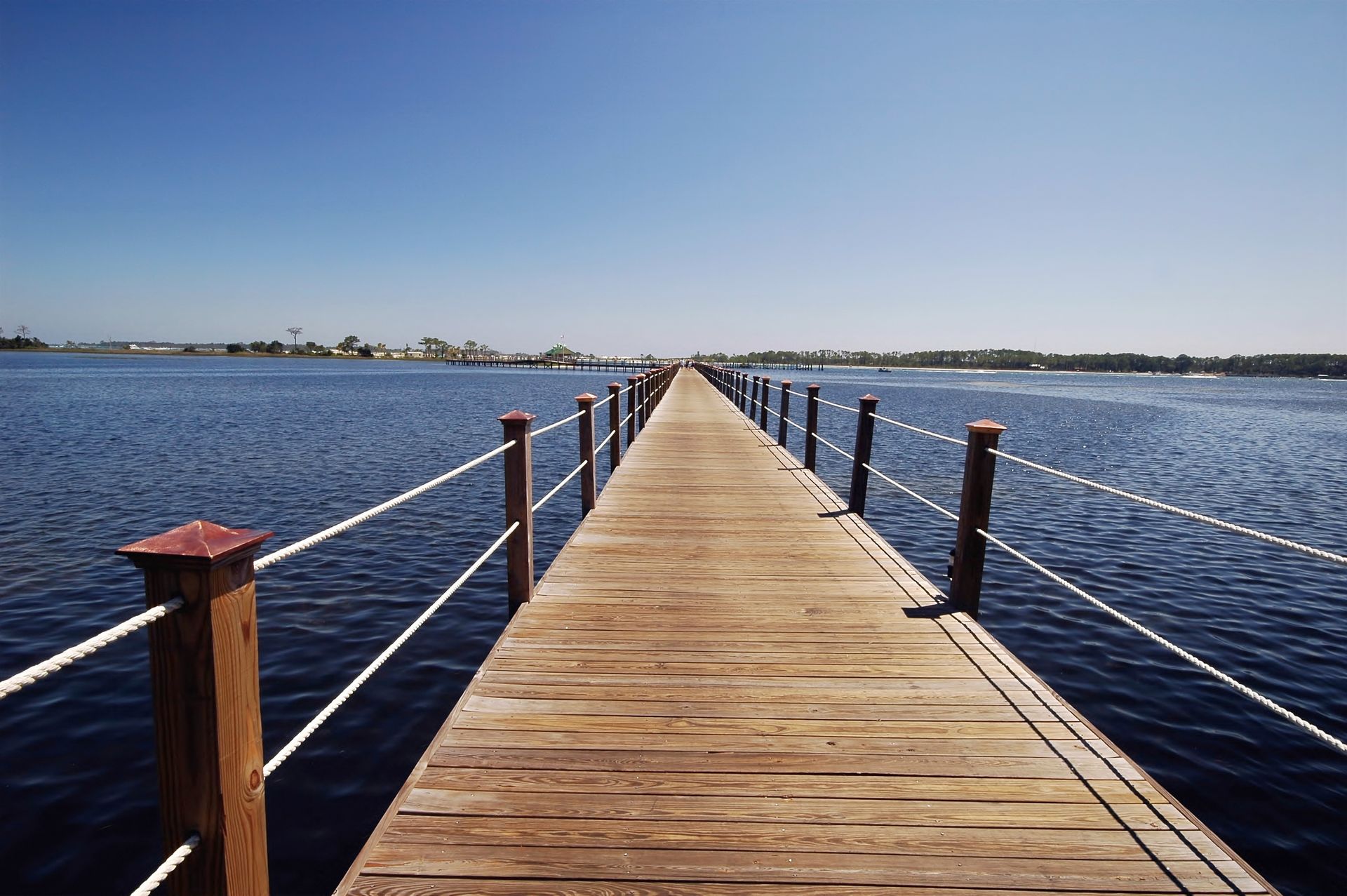
Custom boat dock and boatlift construction in Florida
Composite decking on concrete pilings, residential dock
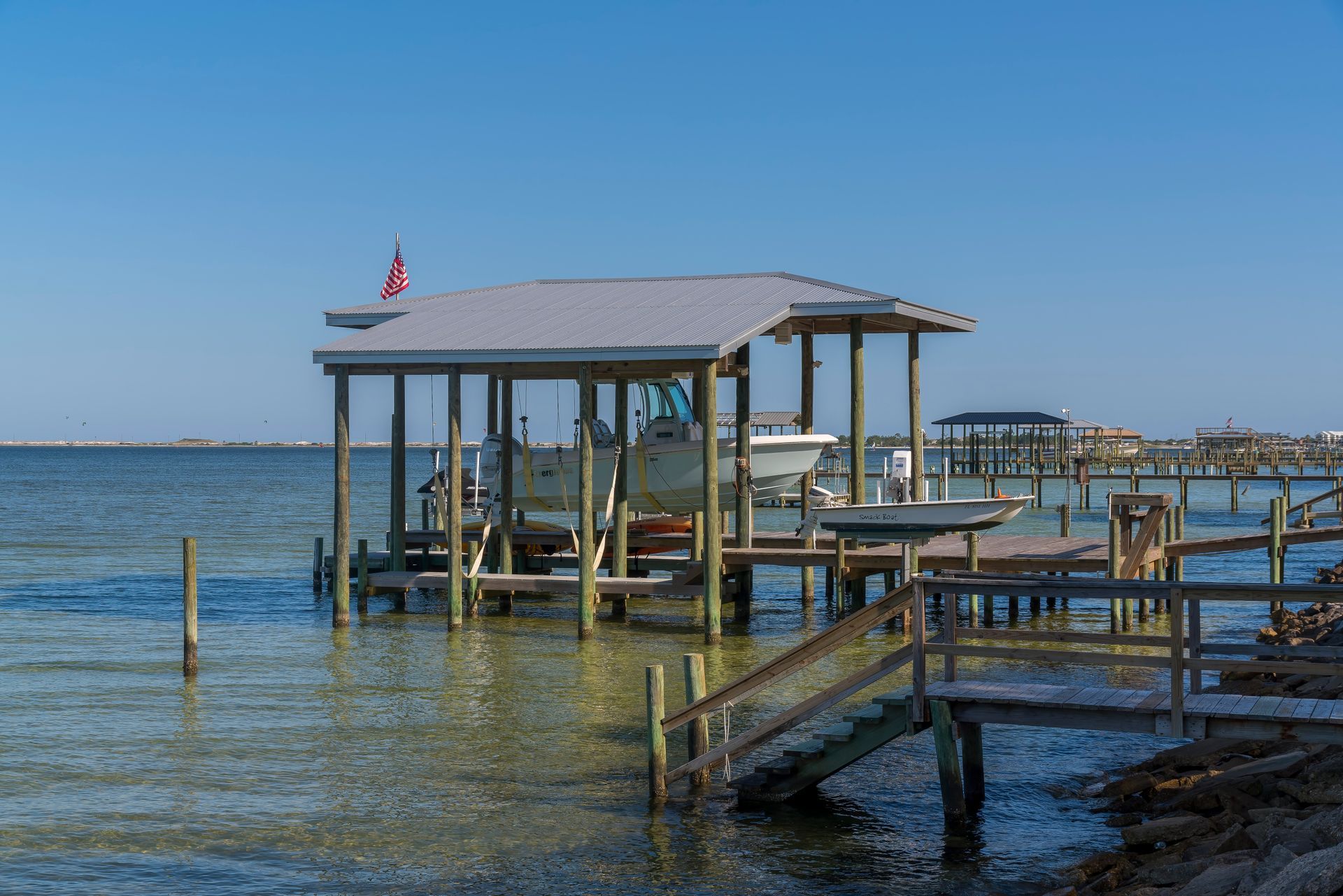
Boathouse with integrated boatlift, Florida waterfront
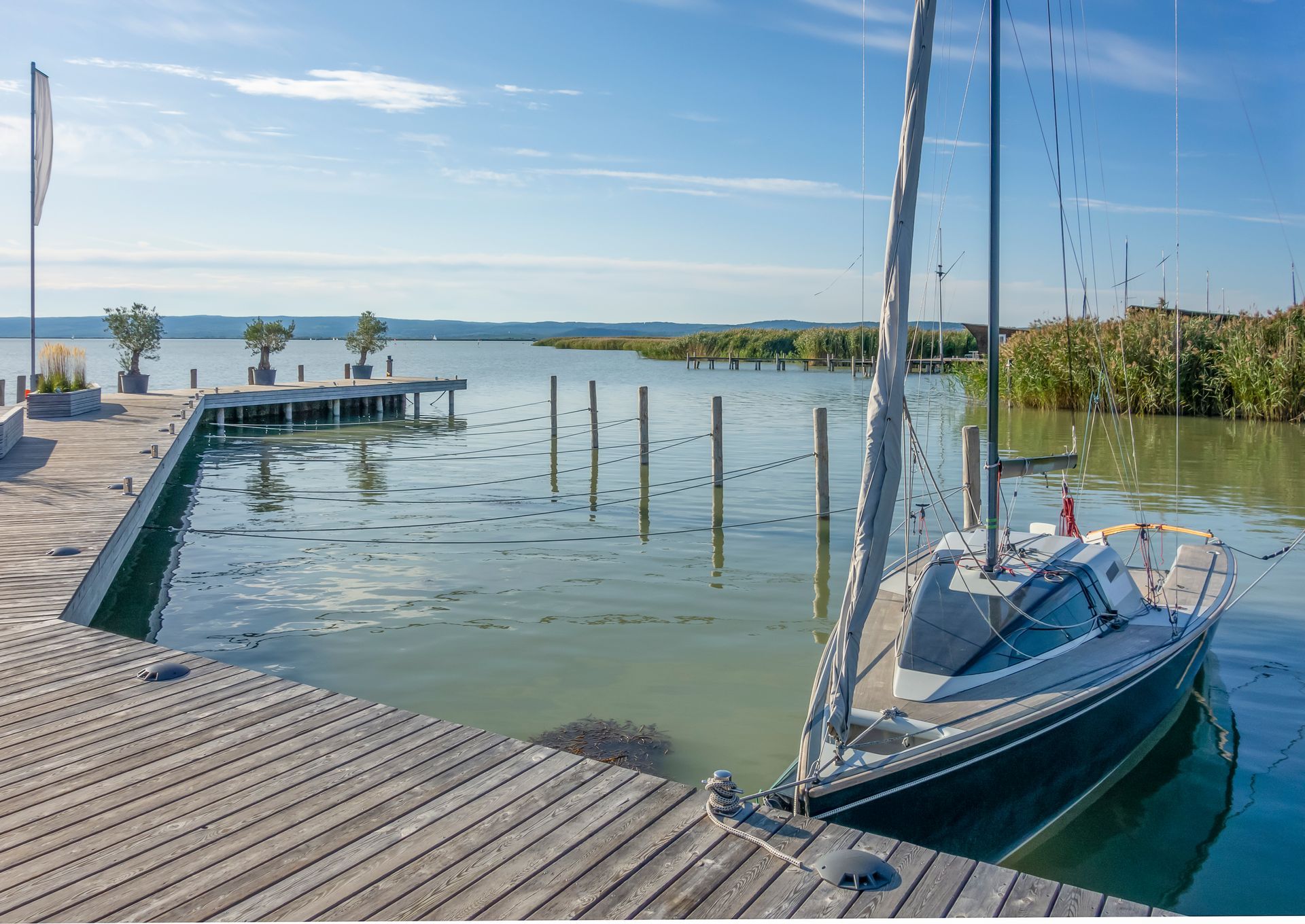
Floating dock with finger pier, Tampa Bay residential